Ninety Years Late, the Pit Band Is Back: Live Scores Are Filling Britain's Restored Cinemas
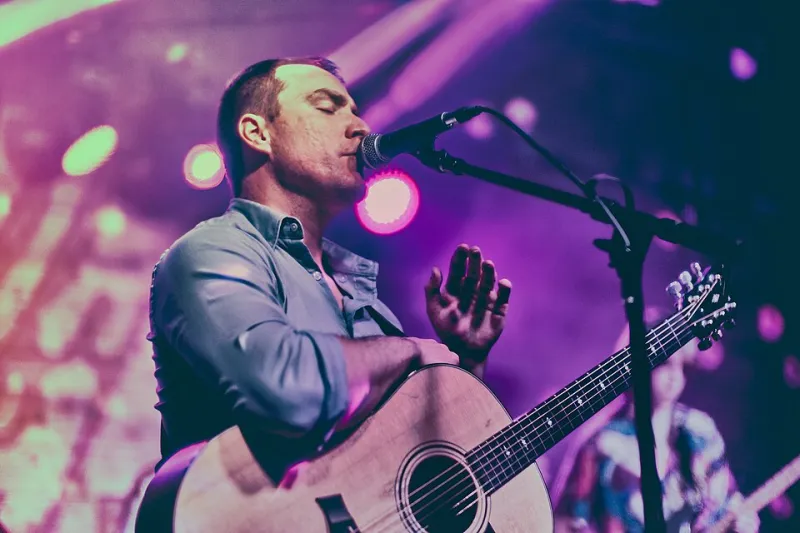
Photo: MattTonner, CC0, via Wikimedia Commons
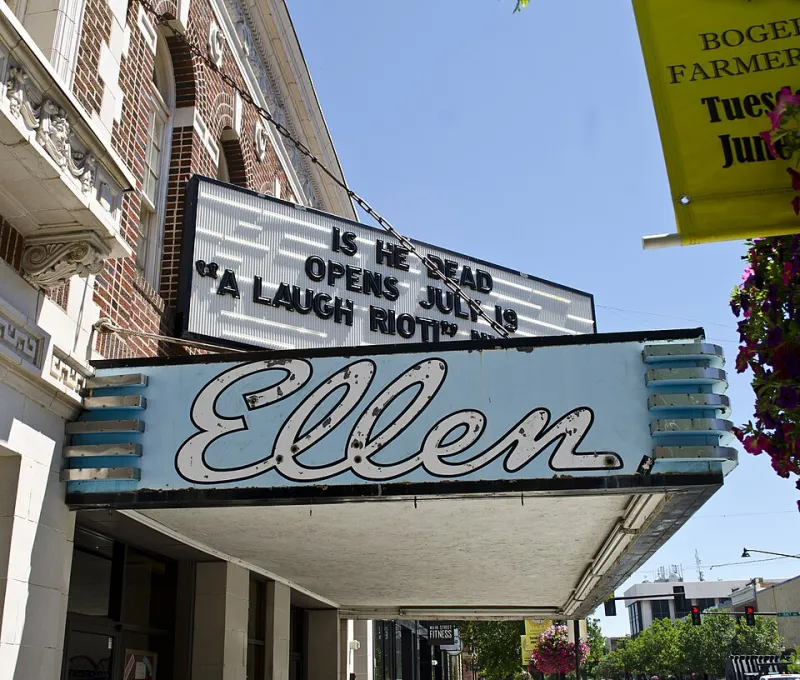
A Saturday night in a restored 1920s cinema: a brass quintet tuning up in the well in front of the screen, a print of a comedy that first played this town in the silent era, and several hundred people who have never sat through a feature without dialogue in their lives. When the lights go down, nobody reaches for a phone. They lean forward instead.
This has become one of the most reliable nights out in British cinema heritage, and in 2026 it is happening far beyond the big cities.
Silence was never really the point
Silent films were rarely shown in silence. They came with pianists, pit orchestras, organs, sound-effects contraptions and, in smaller halls, a lecturer who narrated the plot from the front. The music was not decoration bolted on afterwards; it was part of the exhibition, improvised night to night and different in every town.
So a live score is not a gimmick. It is a revival of the original format. That framing matters when you are trying to persuade a funder, a local sponsor or a sceptical committee member that a 1920s comedy plus four musicians is heritage work rather than a novelty night.
The 2026 picture
The pattern is now well established. Repertory houses with a decent piano and a bit of floor space are programming silent features with commissioned scores; civic venues that spent years on a restoration are using music as the way to reopen the auditorium properly; and small volunteer-run halls are pairing a single musician with a well-loved comedy and selling out two shows instead of one.
The range of musicians is the interesting part. Church organists who already know how to fill a room without amplification. Folk players working from regional tune books. School and university ensembles. Jazz trios. Synth and drone artists who treat the print as raw material rather than a story to be illustrated. Community choirs doing the vocal interludes. Some of it is period-styled; some of it is deliberately, cheerfully anachronistic.
Funding is patchy but real: activity programmes attached to heritage grants, small arts budgets, festival partnerships, and ticket income that regularly outperforms the same slot programmed with a modern title.
What a new score does to an old building
A cinema built before amplification was designed for unamplified sound. Plaster, timber, balconies and heavy curtains all shape it. Put a live ensemble in that space and the room suddenly reveals itself: you hear the warmth at the back of the circle, the slight dead patch under the balcony, the way a single violin carries to the back row without anyone touching a volume dial.
Audiences notice. They start looking up at the ceiling and along the walls. The building stops being a backdrop and becomes an instrument. That is a quiet piece of heritage interpretation that no panel or caption board can quite replicate.
A new score also re-tunes the print. Accompanied, a scratch becomes part of the rhythm rather than a distraction; a jump cut lands differently; a tinted sequence feels deliberate. Comedies become funnier with a knowing accompaniment, and dramas become stranger — which is often exactly what a modern audience needs in order to stop treating an old film as homework.
Notes for venues thinking of programming one
- Check your projection. Many prints are intended for speeds other than 24 frames per second, and some are hand-cranked-era curiosities. Test the whole reel with the musicians present.
- Commission where you can. A local composer or arranger brings press, partnerships and a reason for people to come twice.
- Pay properly. Musicians are workers, not atmosphere. Budget for rehearsal, not just the performance.
- Run the film with the score in the room at least once. Cue sheets are useful; being in the same space is better.
- Programme for the interval. Most silent features run 70 to 90 minutes, which is close to perfect. Don't stack three of them.
- Light the musicians. A little spill so the audience can watch hands and bows is half the pleasure.
- Offer a relaxed performance or a captioned introduction where you can, and keep ticket prices honest for local families.
- Record it if everyone agrees. A live recording is a lasting asset and a decent thank-you to your funders.
Notes for audiences
Sit close enough to see the players, and arrive early — watching an ensemble settle in is part of the evening. Expect no dialogue and no laugh track; the room does that work. Take someone who assumes silent film is worthy and dull, and take them to a comedy first.
Not a museum — a Saturday night
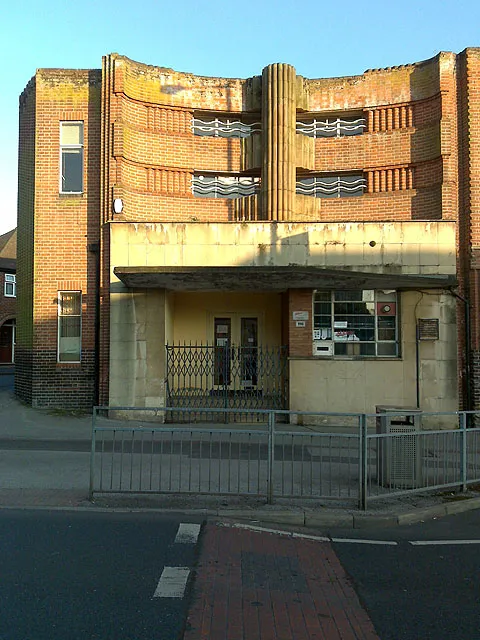
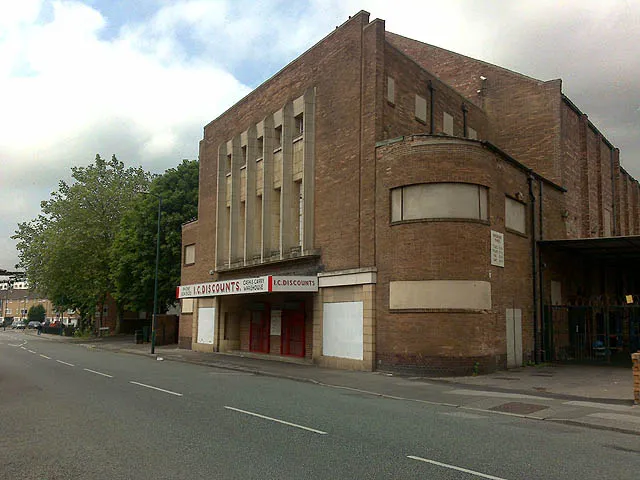
The risk for any restored picture house is becoming a beautifully maintained room that nobody uses. A live score is the opposite of that: a full house, a bar doing trade, a local ensemble getting paid, and a building doing the job it was built for. Heritage is easiest to argue for when it is loud.
If your local venue has one coming up this winter, go. And if you help run one, put the next date in before the first one has finished — the appetite is clearly there.