The Pipes Are Still Warm: Hearing Restored Cinema Organs Live Across Britain in 2026

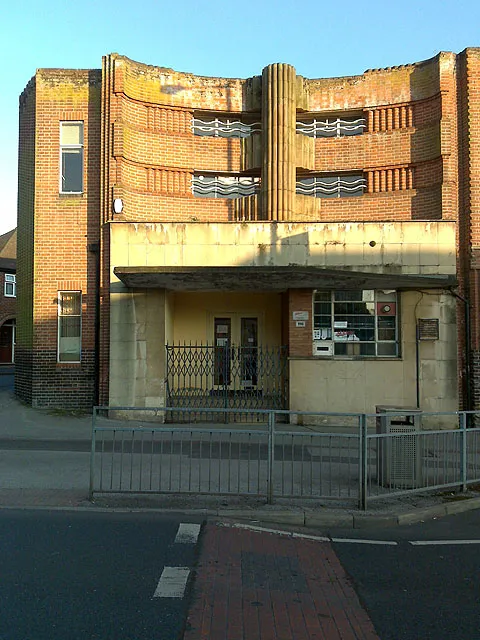
Photo: Tim Evanson, CC BY-SA 2.0, via Wikimedia Commons
Walk into the right picturehouse on the right evening and the first thing you notice is not the screen. It is the smell of dust warming on valves, the clunk of a console rising from the floor, and a sound that seems to come from the walls themselves. Britain's restored cinema organs are not museum pieces. In 2026, a small but stubborn network of venues still puts them in front of audiences — sometimes before a film, sometimes for a full concert, sometimes just to remind a Saturday matinee crowd what a real overture felt like.
Why the picture palace fell for the organ
In the silent era, a piano might do for a small hall, but the big palaces wanted something closer to an orchestra pit. A theatre organ could imitate strings, brass, woodwind, percussion and a full cinema organ's worth of strange effects: bird whistles, doorbells, thunder, even a horse's hoof. It could fill a 2,000-seat auditorium without a conductor, follow a chase sequence, and then play the audience out with a march. The Wurlitzer name became shorthand, but British firms such as Compton built instruments with their own character — warmer, maybe, and less brash than their American cousins.
When sound arrived, the organ did not vanish overnight. Many cinemas kept theirs for interludes, variety bills and weekend concerts. The decline came later: television, bingo, subdivision, neglect. Whole consoles were scrapped; pipes were sold, stored, or left to gather soot in chambers above the auditorium. The instruments that survive today are survivors in the literal sense.
What restoration actually involves
Restoring a cinema organ is not a matter of giving the console a polish. The pipes are only part of the story. There is the wind supply — reservoirs, trunks and blowers — plus the electro-pneumatic action that tells each pipe when to speak. Leather components perish. Magnets fail. Console contacts go green. A restoration team may spend months just documenting what is there, then years finding or remaking parts.
The tricky part is that every instrument is a hybrid. A Compton may use extension systems and a complex relay; a Wurlitzer has its own unit-chest logic. Restorers need both engineering patience and a feel for how the thing should sound in the room. An organ that is technically perfect but voiced too loudly for a small cinema is not restored; it is just working. The best projects treat the auditorium as part of the instrument.
Where to hear one live in 2026
The list is not long, and it changes with the concert diary, so always check the venue's own listings before you travel. These are the places to start.
The Plaza, Stockport — A 1930s super-cinema with a Compton organ that still rises from the pit. The Plaza's organ concerts and film screenings are a proper day out: terrazzo, neon and a console glowing in the dark. If you want the full picture-palace ritual, start here.
The Troxy, London — A grand East End cinema-turned-music venue with a Wurlitzer that still gets an outing. Its programme mixes film, gigs and organ events, so keep an eye on what is coming up rather than assuming a weekly slot.
The Regent Centre, Christchurch — A former cinema that has kept its Compton organ in use for concerts and special screenings. The venue's mixed programme means the organ is not always the headline, but when it is, the room responds.
The Cinema Museum, London — Less a picture palace than a repository of picture-palace life, but its collection and occasional events are invaluable if you want to understand the culture around the instrument. Check ahead for organ demonstrations and talks.
The Musical Museum, Brentford — Not a cinema, strictly, but a superb place to hear theatre organs and mechanical music in working order. It is the kind of visit that makes you listen differently the next time you sit in a restored auditorium.
There are other instruments in theatres, ballrooms and church conversions, and some are played only rarely. That is part of the appeal: a cinema organ is not a Spotify playlist. You have to turn up on the right night.
How to make a night of it
Sit close enough to see the console, but not so close that you miss the room. Watch the organist's hands during the quiet passages; the skill is in the registration changes, not just the big chords. Listen for the tremulant and the way the sound blooms above the proscenium. And if the venue runs a tour of the chambers, take it. Seeing the pipes and the wind trunks makes the concert feel less like nostalgia and more like engineering with a showbiz streak.
If your local cinema announces a silent film with organ accompaniment, go. These are not novelty events. They are a reminder that picturehouses were built for sound as much as for pictures — and that a restored organ needs an audience as much as it needs a maintenance budget.
The Picture House Project's interest in these instruments is not sentimental. A restored organ is a piece of cinema heritage that you cannot experience from a photograph. It needs a building, a player and someone willing to keep the leather supple. In 2026, that is still happening — just not as often as it should.