The Hum Above the Door: Britain’s Cinema Signs and the Volunteers Chasing the Glow
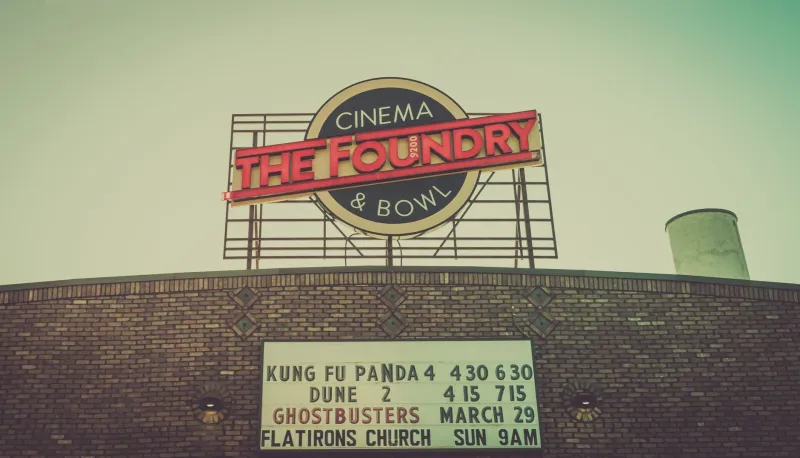
A cinema sign is the first thing a town hears about a cinema, even before anyone buys a ticket. It is not just decoration. It is a public promise: films are shown here, people gather here, this building still means something after dark. That is why the slow, fiddly work of bringing old signs back to life can feel less like maintenance and more like returning a voice.
The sign as the first restoration
Walk through almost any British high street and you can still spot the ghosts. A run of bulb holders with no bulbs. A painted timber fascia fading under a layer of modern shop signage. A neon tube that ends in mid-air because the letter it once formed went missing decades ago. On former picturehouses, these fragments are often the last original features left at street level. The auditorium may have been split, the stage may have gone, the seats may have been sold off. The sign, or what remains of it, is still holding the line.
That is the argument volunteers make when they start raising money to relight a cinema front. A fresh coat of paint inside is lovely. A working sign outside tells the street that the building has not given up. For a town that has watched its picturehouse turn into a bingo hall, a carpet shop or a car park, that hum above the door can do more for local memory than another heritage plaque.
Chasing letters, transformers and consent
The romantic version of sign restoration involves a cherry picker, a flask of tea and a satisfying flick of a switch. The real version involves a lot of detective work. Missing letters are often the first problem. A neon ‘C’ or a bulb-letter ‘A’ may have been removed when a fascia was shortened, or quietly stored in a back room, or lost altogether. Volunteers end up trawling old photographs, postcards and cinema programme adverts to work out the exact typeface, spacing and colour. Sometimes a single letter has to be remade from scratch by a specialist glass bender or a sign painter who understands the original style.
Then there is the hardware. Old transformers die. Wiring perishes. Water gets in behind fascias. Bulb holders corrode. A sign that looks almost intact from the pavement can turn out to need a full electrical overhaul before anyone dares switch it on. And because many of these buildings are listed, or sit in conservation areas, nothing can be bolted, drilled or altered without listed-building consent. Volunteers quickly become amateur historians, fundraisers, project managers and diplomats. The paperwork is not glamorous, but it is part of the preservation story.
Seaside glow, city scale
The signs themselves come in very different moods. At the seaside, a picturehouse sign often has a holiday feel: painted lettering, maybe a curve, maybe a row of bulbs that once spelled out the evening’s programme. In city centres, former supercinemas went for scale and confidence, with long fascias and neon that could be read from the top of a bus. Both kinds are vulnerable. Coastal salt air gets into everything. City redevelopment removes the context that made a sign make sense.
What links them is the way a restored sign changes a street at dusk. People stop. They take photographs. They tell someone else what the building used to be. That is not nostalgia for its own sake. It is a small act of public remembering, and it often arrives before the building itself is ready for visitors.
Why relighting is not the end
It would be easy to treat a glowing sign as the finish line. It is not. A sign can promise more than a building can currently deliver. The responsible approach is to relight only when the story is honest: this is what survives, this is what we are working on, this is what we still need. Volunteers who have spent months chasing a missing letter tend to be clear-eyed about that. They know the sign is an invitation, not a substitute for the hard work inside.
Still, there is a case for starting at the door. A cinema’s sign is its most public piece of heritage. It belongs to everyone who walks past, not just the people who buy a ticket. In 2026, with so many former picturehouses still standing but not yet saved, relighting a fascia can be the moment a town remembers what it has. The glow is not the whole restoration. It is the promise that one is underway.