The Warm End of the Row: Britain's Cinema Radiators and the Comfort We Can't Quite Restore
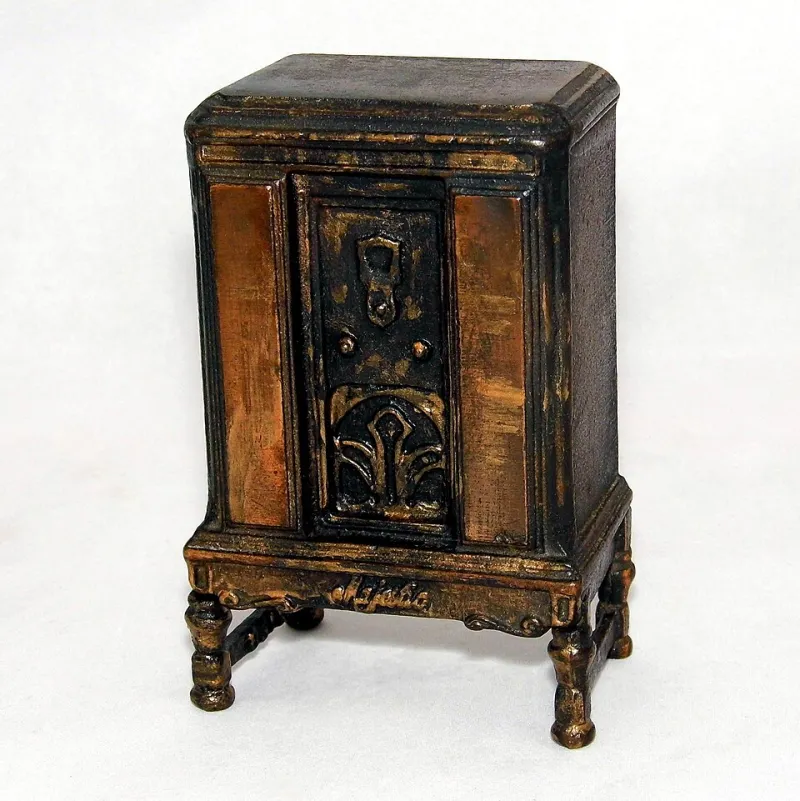
Photo: Joe Haupt from USA, CC BY 2.0, via Wikimedia Commons
There is a particular warmth in an old cinema that no thermostat quite accounts for. It arrives in layers: the fug of wet coats in the stalls, the tick and clank of a radiator coming up to temperature, the blast of hot air as the vestibule doors swing open, and somewhere beneath it all, a boiler doing its steady, unseen work. We remember the warmth long after we've forgotten the film. But the plant that produced it is rarely photographed, seldom listed, and almost never the reason anyone falls in love with a building.
The Plant Nobody Puts on a Postcard
Heating is the unglamorous backbone of cinema heritage. The auditorium gets the plaques and the ceiling roses; the boiler room gets a padlock and a warning sign. Yet the way a picturehouse was heated shaped how audiences used it. Early and interwar cinemas were often fitted with coal-fired boilers and cast-iron radiators, with pipes running under balcony soffits and along the back of the stalls. The foyer might have a single enormous radiator, more ornament than appliance, and the vestibule worked as a crude airlock — a buffer of still, warmish air between the street and the seats.
In smaller halls, the boiler was part of the daily routine. Somebody had to stoke it, bank it overnight, and know its moods. That person was often the same caretaker who changed the bulbs and touched up the paint. The heating wasn't a system so much as a relationship.
The Audience Was Part of the Heating System
Here's the awkward truth about remembered cosiness: a full house is a formidable radiator. A thousand people in wool coats and damp shoes give off a surprising amount of heat, and by the second reel the auditorium has warmed itself. The building's heating was doing the pre-match, getting the room to a temperature where the arriving audience could finish the job.
That's why the memory of warmth is so hard to engineer back. A restored cinema playing to a quarter-full house on a Tuesday afternoon in February is a different thermal proposition from a packed Saturday night in 1953. The fabric remembers the crowd; the boiler remembers the schedule. Volunteers today are trying to heat a room designed for a full house, used at half capacity, in a climate that swings harder than the one it was built for.
What You Find When You Open the Basement Door
Any restoration that gets as far as the heating system is already deep into the practical weeds. The surveyor finds corroded pipework, lagging that may or may not contain asbestos, radiators painted so many times the sections have lost their profile, and a boiler that was converted from coal to oil to gas before being condemned. None of it is romantic. All of it is evidence.
Cast-iron radiators are a useful test case for how preservationists think. They are part of the historic fabric, often original to the building, and they can usually be retained and re-plumbed rather than scrapped. Keeping them in their original positions — under the balcony, along the side walls, in the foyer — preserves the logic of the room as well as its look. But they are also slow to respond, and a modern heat pump running at lower flow temperatures may struggle to get the same output from them. The answer is rarely a straight swap. It's a conversation between an engineer, a conservation officer and a volunteer who has spent three weekends crawling through a plant room.
Comfort Is a Moving Target
A cinema that is cold in the wrong way is a cinema that closes. That sounds blunt, but it's the lesson of every well-meaning restoration that forgot the audience. Thermal comfort expectations have shifted since the picturehouse heyday. Audiences now expect something closer to domestic warmth, and a listed auditorium with single-glazed doors and a leaking roof doesn't give it up easily.
The workable compromises tend to be humble: draught-proofing the vestibule, adding a second set of internal doors, secondary glazing that can be removed without damaging the frames, roof insulation tucked out of sight. Radiant panels can take the edge off a tall volume without blasting hot air at the plaster. Under-seat heating exists, but it's an intervention with heritage consequences and a maintenance bill attached. None of these choices is neutral. Each one is a small argument about what matters more: the original fabric, the visitor's comfort, or the energy bill that keeps the doors open.
The Boiler Room as Part of the Story
Perhaps the most honest approach is to stop treating heating as a hidden embarrassment and start interpreting it. The boiler room can be an exhibit. The radiators can be pointed out on a heritage trail. The vestibule can be explained as the airlock it always was. Visitors are genuinely curious about the machinery of comfort, especially when it's the difference between a building that survived and one that didn't.
What we shouldn't do is fake it. A decorative radiator that doesn't work is a lie; a coal fire recreated for atmosphere is a health hazard in period costume. The responsible version of warmth in 2026 is a warm building with an honest plant room — historic fabric where it can be kept, modern equipment where it has to be, and a clear explanation of which is which.
Conservation is not refrigeration. A picturehouse was built to be used, and using it means keeping people warm enough to sit still for two hours. The trick is to hear the radiators ticking and know that the building is still doing its job.