The Other Pictures in the Dark: Britain's Glass Advertising Slides and the High Streets They Saved on File
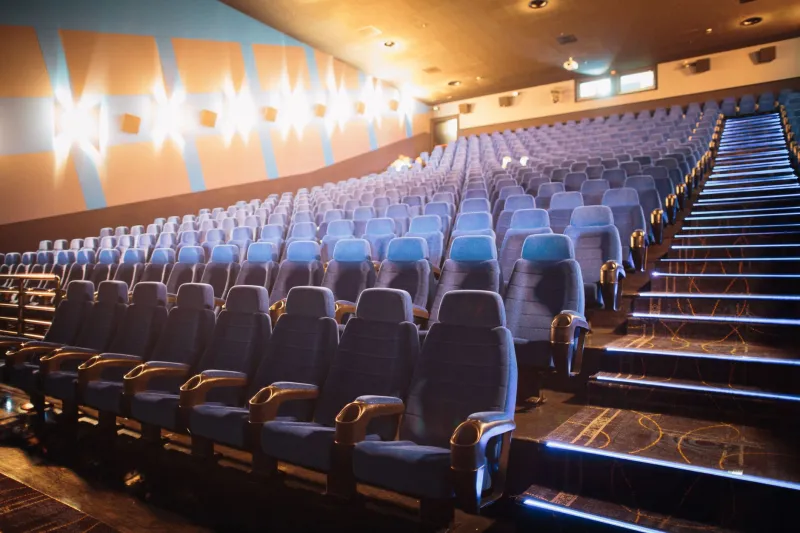
There is a particular sort of quiet in a cinema just before the trailers. House lights half down, the audience settling, someone rustling a bag of something. And in that quiet, for the best part of sixty years, Britain's picturehouses used to put on a second, smaller film show — one that had nothing to do with Hollywood at all.
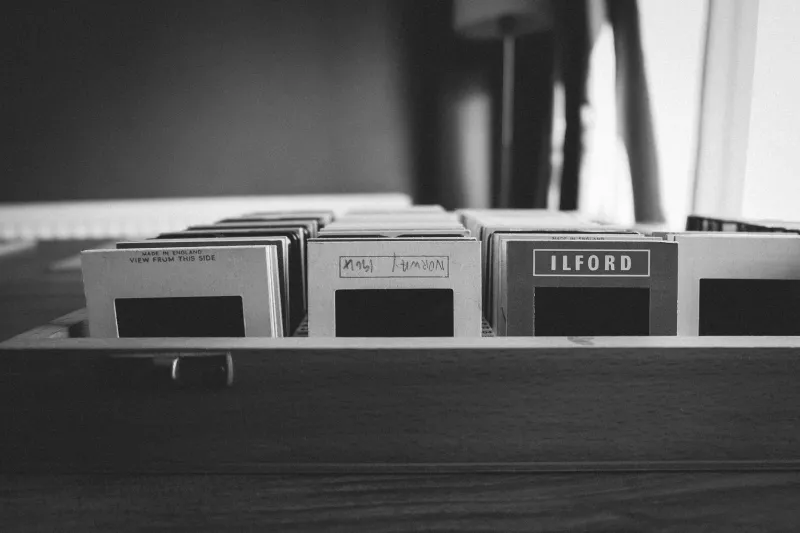
This was the world of the glass advertising slide. Squares of glass, usually three and a quarter inches across, sometimes the smaller 35mm double-frame size, bound with a paper or metal mask and slipped into a projector between the shorts and the feature. On them: a butcher's weekend special, a dance at the Palais, a whist drive in the church hall, a reminder that the gas showroom on the corner had a new line in fires. And then, at the end, a painted card for next week's picture, often with the star's face only roughly suggested in gouache.
A newspaper you didn't have to read
What strikes you, holding one of these things, is how squarely local they are. The cinema was a national pastime, but its advertising was parish-level. A slide for a Cardiff bicycle shop tells you more about the street it stood on than any number of studio publicity stills, because it wasn't made to impress anyone beyond the people sitting in that particular dark.
They come in two broad families. The photographic ones — proper black-and-white images of shopfronts, staff lined up outside, a delivery van parked at a slightly self-conscious angle. And the hand-painted ones, which are where the charm really lives: blocky lettering, a border of uncertain perspective, occasionally a spelling mistake preserved for eternity. Some were made by specialist firms who supplied slides by post; plenty were knocked up locally, and you can tell.
Mixed in among the adverts were the coming attractions, the public information notices, the occasional slide reminding patrons that the management reserved the right of admission, and — a favourite of anyone who has spent time in an archive box — the ones announcing a change of programme with a distinctly hopeful tone about it.
What volunteers are actually finding
Most of this material was never meant to survive. Slides lived in the projection box in a wooden rack or a tin, got scratched, got dropped, got thrown out when a cinema changed hands or switched to screen advertising in the 1960s and 70s. The ones that endure tend to come from three places: the back of a cupboard in a building that closed and was never properly cleared, the effects of a projectionist who took them home and never quite got rid of them, and family collections that surface when a house is emptied.
That's where the volunteers come in. Across the country, small heritage groups and cinema-trust archivists are doing the unglamorous work: cleaning both faces of each slide with a soft brush, checking the binding tape hasn't perished, photographing them on a light box at high resolution, and then — this is the bit that matters — writing down what they can identify. Who was the shop? Which street? Is that the same grocer that appears in the 1938 trade directory?
The Magic Lantern Society and the lantern-slide collections held by national museums have long been the reference points for this sort of work, and the Cinema Museum in London has become a magnet for people turning up with a shoebox and a question. But most of the patient cataloguing happens at kitchen tables.
The night the slides came back on
Here is the thing that turns a preservation story into an event. A scanned slide can go back into a projector. Not the original — nobody sensible puts a ninety-year-old glass sandwich through a hot lamp — but a modern copy, shown on a screen, or better still, a proper lantern in the foyer before a screening.
When that happens, something odd occurs in the room. People who have no connection to the shop in question lean forward anyway. Older audience members say the name out loud before the caption appears. Somebody's grandmother worked at that bakery. The slide isn't really advertising anything any more; it has become a portrait instead.
We've seen this pattern at heritage open days and at community screenings in converted picturehouses — the glass slide is the cheapest, most reliable way to make an audience feel that the building has a memory, and that they are sitting inside it.
The conservation argument for keeping the boring ones
There's a temptation, when sorting a collection, to keep the pretty hand-painted coming attractions and let the plain photographic shop adverts go. Please don't. The hand-painted cards tell you what the cinema wanted you to feel; the dull ones tell you what the town actually contained in 1953. Between them they form something close to a street survey of ordinary British retail — the cycle shop, the hairdresser, the funeral director, the little chain of grocers that vanished in 1969.
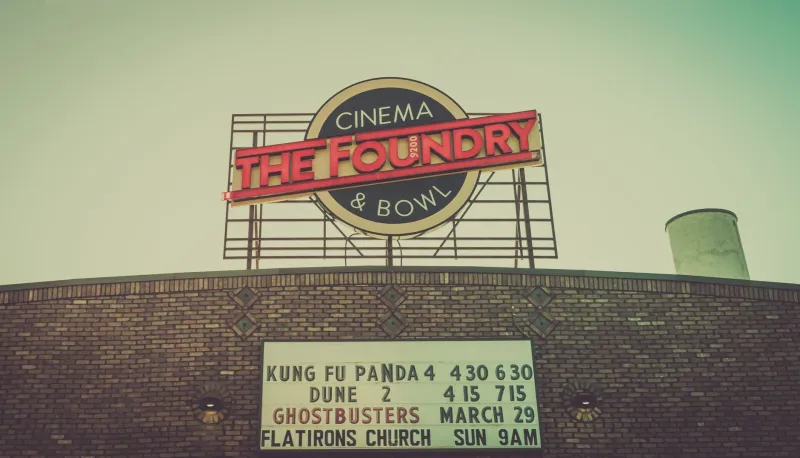
They also remind us who was paying for the show. Cinema has always been a business, and the slide show was the most nakedly local part of that business: a direct transaction between a picturehouse and the shops around it. If we're serious about restoring buildings rather than just screens, that relationship is part of the fabric.
If you find a box
A few practical notes, offered gently. Don't wash them. Don't separate slides that are taped together. Handle them by the edges, keep them dry, and photograph them against a plain white light before anything else. If the tape is cracking, that's a job for someone with conservation training, not a roll of Sellotape from the drawer.
And if you can name a single shop on a single slide, tell somebody. That's the whole game. A picture of a slide is nice; a picture of a slide with the address written on the back is a piece of local history.
The trailers will always get the laughs. But the little glass squares in between did something the trailers never managed: they put the audience's own street up on the screen, at four times life size, and let it glow.