What the Walls Swallowed: Britain’s Cinema Acoustics and the Art of Listening in the Dark
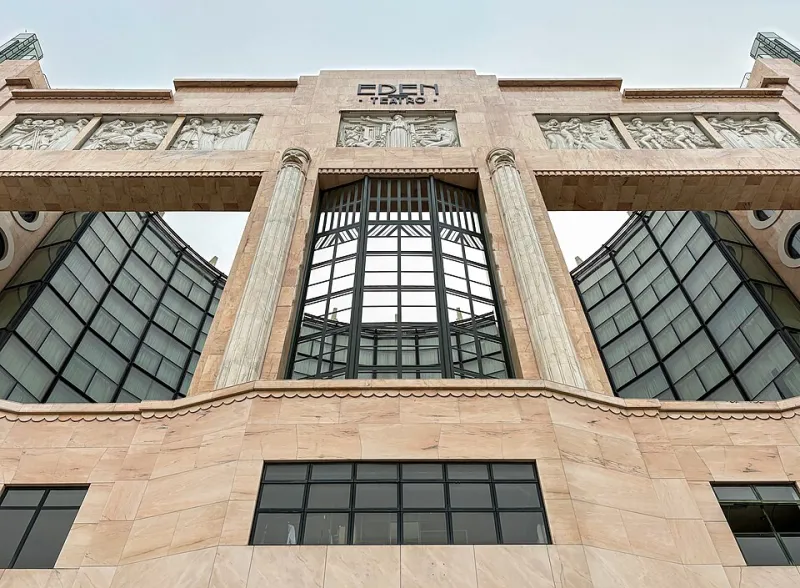
Photo: Dale Cruse - 10M views from San Francisco, CA, USA, CC BY 4.0, via Wikimedia Commons
Walk into a picturehouse that has been restored well and something odd happens before the film starts. The room goes quiet, but not empty-quiet. The air feels settled. A cough from the back stalls does not bounce around like a coin in a biscuit tin. The screen has not even lit up yet, and already the building is doing a job most of us never notice.
That job is acoustic heritage, and it is one of the least glamorous parts of cinema preservation. We talk about seats, curtains, canopies and poster cases. We are slower to talk about the perforated tiles above the exit doors, the fibrous plaster in the ceiling, the hessian behind the screen or the thick felt under the carpet. Yet these are the surfaces that decide whether a whispered line lands, whether a Saturday-night laugh feels like a wave or a series of separate snorts, and whether the room sounds like a cinema at all.
A room that listens back
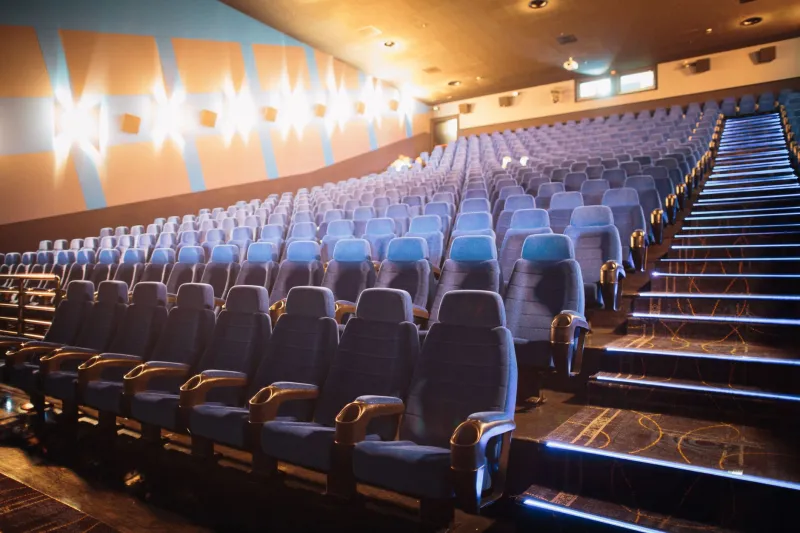
Old picturehouses were designed to be heard. Not just to project sound from the booth, but to hold it in the right way. Architects and cinema specialists of the 1920s and 1930s knew that a hard, boxy auditorium would turn every rustle into a small event. They used absorbent plasters, acoustic boards, perforated panels, heavy drapes and upholstered seating to tame the reflections. The best of them did not aim for total silence. They aimed for a controlled hush: a room that flattered speech, gave music a little warmth and kept the audience from sounding like they were all unwrapping sweets in a tiled bathroom.
That is the distinction worth holding on to. Acoustic treatment is not about killing sound. It is about shaping it. A cinema with no absorbent surfaces can feel clinical and clattery. A cinema with too much absorption can feel dead, as if the life has been sucked out of the room. The old picturehouses usually got the balance right by accident and by trade knowledge. The tiles were not decoration. They were part of the performance.
The wrong kind of hush
The trouble starts when a refurbishment treats those surfaces as tired old fabric. Paint over the perforations and the panels stop working. Board up a void behind a decorative ceiling and the bass changes. Replace carpet with hard flooring, strip out curtains, expose brickwork and add glass partitions, and suddenly the auditorium has a bright, brittle sound that no amount of new speakers can fix. It looks smarter. It sounds wrong.
Audiences often notice without knowing why. The dialogue feels sharp. Laughter sounds scattered. Every bag of crisps seems to open in surround sound. Volunteers and staff sometimes describe a strange loss of atmosphere after a modernisation, as if the room has become less forgiving. That is not nostalgia talking. It is the building telling you that its acoustic memory has been interrupted.
Reading a wall
The good news is that acoustic heritage is often still there, hiding under layers of paint and later additions. Restoration teams now spend time reading walls the way others read brickwork. They take paint samples. They look for old plans, cinema trade journals, builders’ specifications and photographs of the auditorium before the 1970s. They talk to projectionists, ushers and regulars who remember how the room used to sound. Then they test small areas rather than ripping everything out at once.
Fibrous plaster can often be repaired. Perforated panels can be carefully cleaned. Voids can be reopened. Curtains can be rehung with the right weight and fullness. Sometimes the answer is not a faithful reinstatement of every original surface, but a sensitive mix: retain what matters, repair what can be repaired, and introduce modern acoustic measures quietly where they will not undo the character of the room. The aim is not a museum piece. It is a working cinema that sounds like itself.
Bringing the hush back in 2026
Across the UK in 2026, the most interesting work is happening in venues where restoration teams are treating sound as part of the fabric, not an afterthought. The Hyde Park Picture House in Leeds, the Plaza in Stockport, the Duke of York’s in Brighton and the Phoenix in East Finchley all belong to a wider conversation about older auditoria and how to look after them. Each building is different, and each has had to weigh acoustic repair against modern comfort, access and fire safety. But the principle is spreading: before the new ceiling goes in, listen to the old one.
This is where community memory matters. People remember the hush. They remember where the sound was best, where the echo caught you, and which corner of the balcony made the organ sound distant or close. Those memories are evidence. They belong in the restoration file alongside the architect’s drawings and the paint samples.
So next time you settle into a restored picturehouse, listen before the film begins. The quiet you hear is not empty space. It is the walls doing their old job, holding the room together. Hush, please — but not too much. The right kind of silence is a piece of heritage worth keeping.