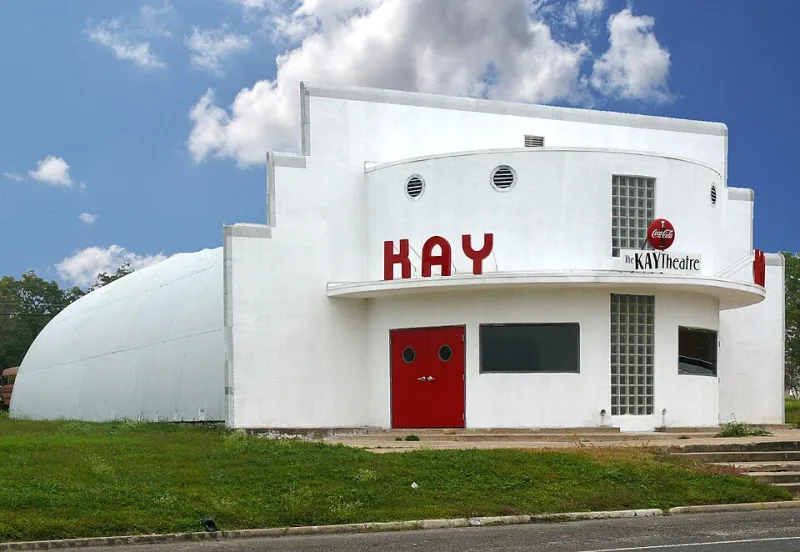
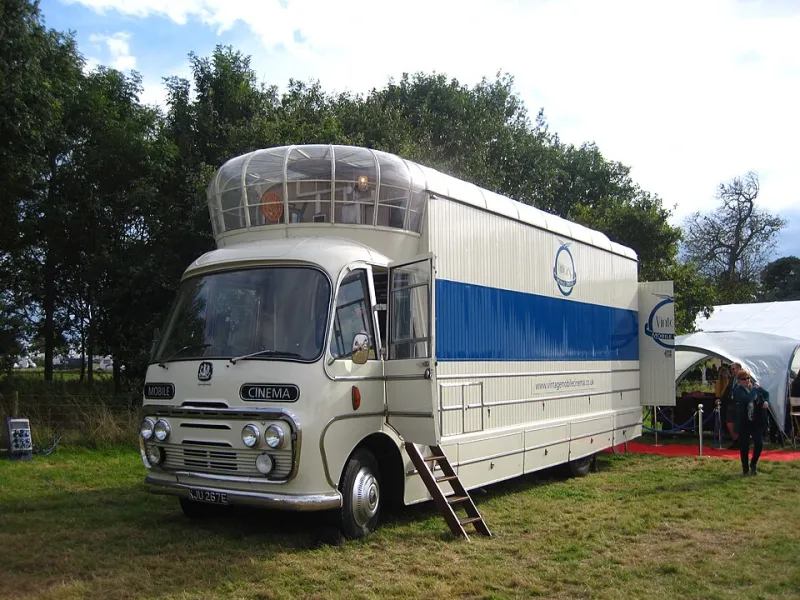
The Usherette's Tale: Why Oral Histories Should Be Part of Every Cinema Restoration
Photo: vintage cinema usherette oral history interview, via i.etsystatic.com
My grandmother could not tell you the name of the architect who designed her local cinema. She could tell you exactly where the usherette stood at the interval, which side of the balcony allowed smoking, and how the queue snaked past the butcher's shop on a Saturday night. That is not trivia. It is evidence, and it is disappearing.
Across Britain, local heritage groups are doing careful work with elevations, seating plans and paint scrapes. All of that matters. But when we restore a picturehouse, we are not just restoring a shell. We are restoring a set of rituals, sounds and small humiliations — the stuck ticket machine, the shuffle for the best seats, the child sent back to the foyer for a choc ice. If those memories are not recorded, the building may look right and still feel hollow.
Drawings tell you the shape, memories tell you the life
An architectural drawing can tell you that the stalls had 842 seats. It cannot tell you that the back four rows were where the teenagers sat, or that the manager stood by the doors during the second feature to stop people slipping in. A floor plan can show a smoking balcony. It cannot show the blue haze that hung there by the interval, or the way non-smokers complained to the usherette who had no power to do anything about it.
This is why oral history belongs in the preservation process, not as a nice extra once the scaffolding comes down. Memory is not always accurate on dates. It is often very accurate on atmosphere. And atmosphere is exactly what a restored cinema is trying to bring back.
The senses are the missing inventory
Ask someone about their cinema childhood and they rarely start with the film. They start with the smell of peanuts, the sticky carpet, the cold blast from the foyer doors, the usherette's tray balanced on one arm. They remember the organist rising through the floor, the scratch of the needle before the cartoon, the rumble of traffic outside during the quiet bits.
These sensory details are not decorative. They can guide practical decisions. If every account says the foyer felt cramped and loud, maybe the restored foyer should not be turned into a spacious café with the acoustics of a hotel lobby. If people remember the auditorium going dark slowly rather than snapping to black, that is a lighting cue worth investigating. If the interval ice cream was sold from a tray in the aisle, a restored cinema might want to keep that ritual alive rather than herd everyone to a counter.
What to ask before the interval ends
The best oral history interviews are not a list of dates. They are a conversation with prompts. Start wide and let the person wander. Useful questions include: What did the queue look like? Who took your ticket? Where did you sit, and why? What did the place smell like? What did the usherettes wear? What happened when the film broke down? What did your parents say about the cinema? Did you ever go alone?
Ask about work, too. Former usherettes, projectionists, cleaners, commissionaires and ice cream sellers hold knowledge that no survey can capture. How many staff were on a Saturday night? Where did they stand? What were they told to do when a fight broke out? What was the uniform like, and where did they keep their coats? These are the details that make a building feel inhabited.
Recording is not hard, but it needs care
A local heritage group does not need a broadcast studio. A decent recorder, a quiet room and a consent form will do for a start. But do it properly: explain what the recording will be used for, ask for permission to archive it, and let the interviewee see or hear the final edit if they want to. Do not treat older people as exhibits. Treat them as experts who are lending you their memory.
It also helps to record in pairs or small groups. One memory triggers another. Two people who worked the same cinema in different decades can disagree about the colour of the foyer tiles and still give you a richer picture than either would alone. Keep the recording. Transcribe it if you can. Put it somewhere a future restoration team can find it.
Start with one voice
This is a call to action, not a complaint. If you are part of a local heritage group, a cinema trust or a community archive, add oral history to your next project plan. If you are not, and you have a parent or grandparent who remembers the old picturehouse, ask them something this week. Not the whole life story. Just one question: what did the interval feel like?
The buildings we save are only half the story. The other half is waiting in living rooms and day centres and church halls, in people who can still hear the organ rising and the usherette calling out for ice cream. Record them before the paint dries. Record them before the voices go.